Pollution Containment & Environmental Protection Solutions
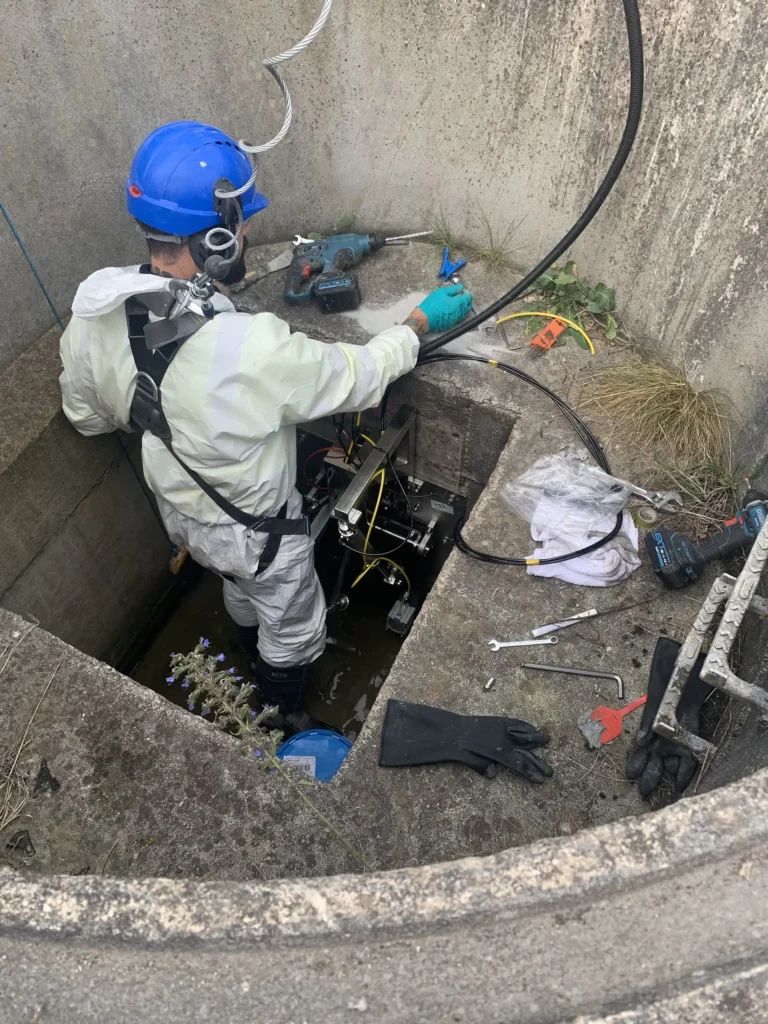
Pollution containment systems are used to control the movement of contaminated water within drainage networks during spill, firewater, and flood events.
Across industrial facilities, infrastructure projects, and transport networks, uncontrolled discharge can lead to environmental damage, regulatory action, and operational disruption. Effective containment systems ensure that contaminated flows are isolated and safely managed until they can be removed or treated.
Pollution Containment Systems
Pollution containment systems provide a structured approach to isolating and managing contaminated runoff within drainage networks.
These systems are typically designed to operate at key points:
- Valve fitted at Inlet — isolating contamination before it spreads
- Valve fitted on Outlet — to hold back higher volumes and using the chamber to extract pollutants
- Valve fitted on Headwalls – either to prevent contamination leaving the site or entering attenuation ponds
- Integrated systems — combining valves, monitoring, and control systems for automated response
Effective systems must deliver:
- rapid response
- reliable, leak-tight isolation
- minimal impact on normal drainage operation
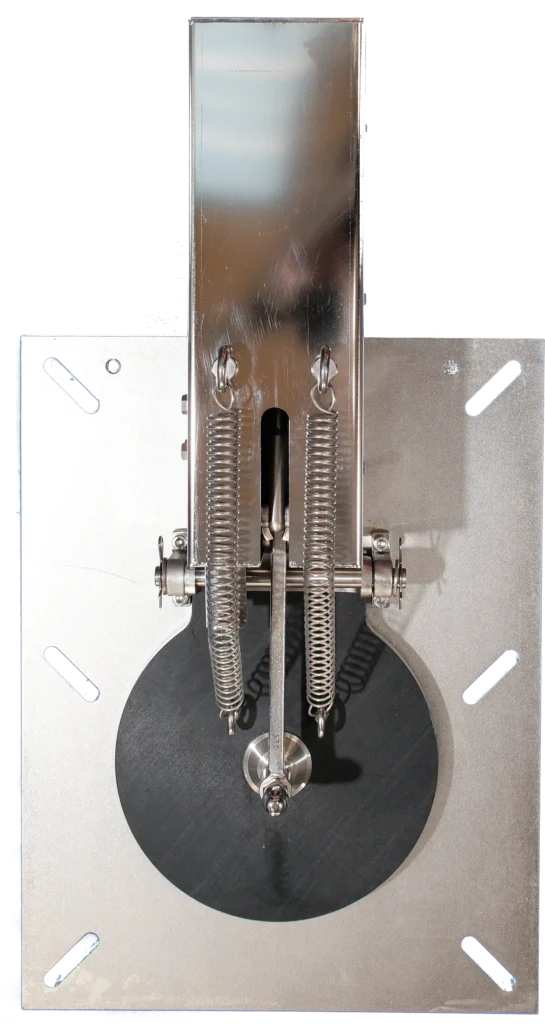
ToggleBlok® systems are purpose-designed for pollution containment, providing automated isolation while maintaining full bore hydraulic capacity during normal conditions.
Firewater Containment
Pollution containment systems provide
Firewater runoff presents one of the highest-risk scenarios for pollution incidents due to the volume and speed at which contaminated water is generated.
During fire events, water used in suppression can carry chemicals, fuels, and debris into drainage systems. Without effective containment, this can result in uncontrolled discharge into the environment.
Firewater containment systems are typically designed to:
- retain large volumes of contaminated water
- respond automatically via fire detection systems
- provide reliable sealing under sustained pressure
- support long-duration containment
a structured approach to isolating and managing contaminated runoff within drainage networks.
These systems are typically designed to operate at key points:
- Valve fitted at Inlet — isolating contamination before it spreads
- Valve fitted on Outlet — to hold back higher volumes and using the chamber to extract pollutants
- Valve fitted on Headwalls – either to prevent contamination leaving the site or entering attenuation ponds
- Integrated systems — combining valves, monitoring, and control systems for automated response
This is most commonly achieved through outlet containment, where drainage networks are isolated to hold contaminated water within chambers or designated areas.
ToggleBlok® systems can be integrated with fire alarm systems, enabling rapid, automated response during emergency events.
Flood & Spill Containment
Flooding and accidental spills introduce different challenges, often requiring rapid and flexible response across a drainage network.
Typical scenarios include:
- chemical or fuel spills
- tanker discharge failures
- process leaks
- surface water contamination
- drainage system surcharging during heavy rainfall
These events typically require:
- source isolation to stop contamination spreading
- flexible response across the network
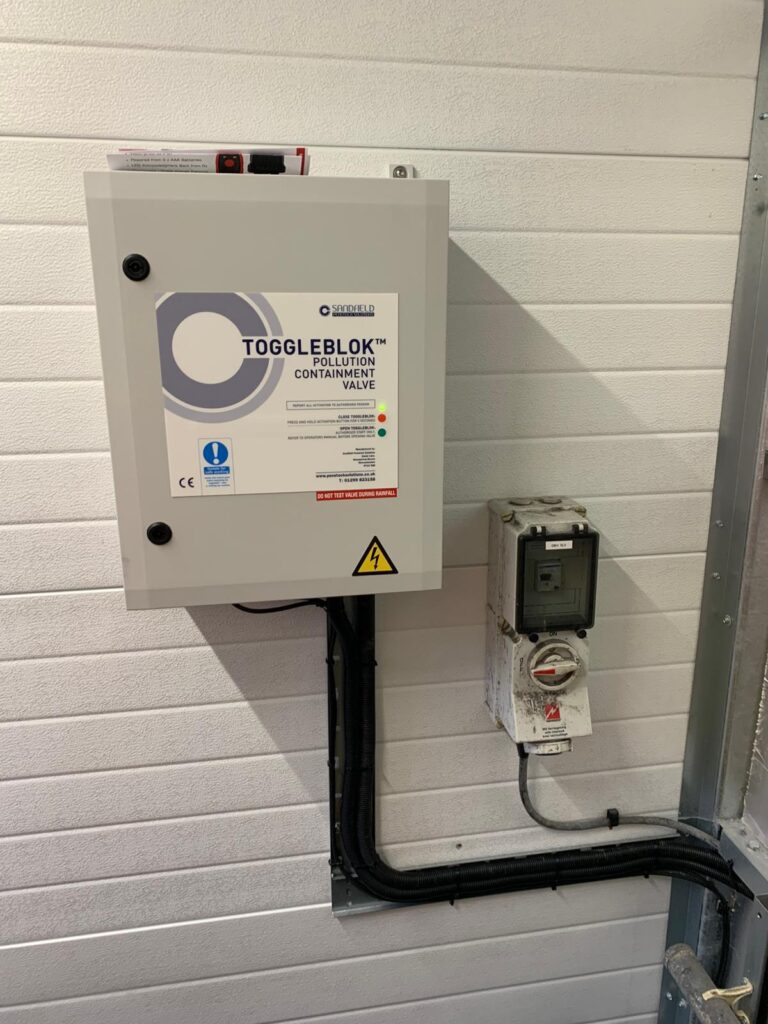
- remote or automated activation
- systems capable of operating under varying conditions
Flood and spill containment strategies focus on limiting the spread of contamination and maintaining control during unpredictable events.
ToggleBlok® systems provide a flexible solution, allowing isolation at source or across the network depending on the application.

Designing Effective Containment Systems
All containment systems must be designed to perform reliably under real-world conditions.
Key considerations include:
- Response time — speed of activation is critical
- Sealing performance — reliable, leak-tight isolation
- Hydraulic capacity — maintaining flow during normal operation
- System integration — compatibility with alarms and monitoring systems
- Power independence — operation during power failure
- Maintenance and testing — ease of inspection and operation
A well-designed system ensures effective containment without compromising day-to-day performance.

Applications
Containment systems are widely used across:
- industrial and manufacturing facilities
- logistics and warehousing operations
- highways and infrastructure projects
- rail and transport networks
- chemical and food production sites
- water and wastewater infrastructure
Each application requires a tailored approach based on site layout, operational requirements, and risk profile.

Engineered Containment Solutions
Traditional flow control devices are not always suitable for pollution containment applications, particularly where rapid response and reliable sealing are required.
Purpose-built containment systems are engineered to:
- respond rapidly to incidents
- provide reliable sealing under pressure
- operate automatically or remotely
- integrate with wider site systems
ToggleBlok® systems deliver a complete containment solution, combining valves, controls, and monitoring into a fully integrated system.